

Your TV is taking a screenshot of your screen right now. Not a metaphor.
Samsung TVs capture a frame every 500 milliseconds. LG’s own documentation says it captures every 10 milliseconds -- 100 times a second -- and batches the uploads roughly every 15 seconds. The capture grabs everything on the panel. Whatever you’re streaming, sure, but also the HDMI feed from your laptop, your gaming console, your Blu-ray player, the doorbell-camera feed if you’ve got it pinned to a corner.
Last December, the Texas Attorney General sued Samsung, Sony, LG, Hisense, and TCL, calling smart TVs a “mass surveillance system.” Samsung settled in February. The other four are still fighting it.
79% of US households have a smart TV. So let’s talk about what yours is actually doing.
Watch the full video here:
You Are the Product
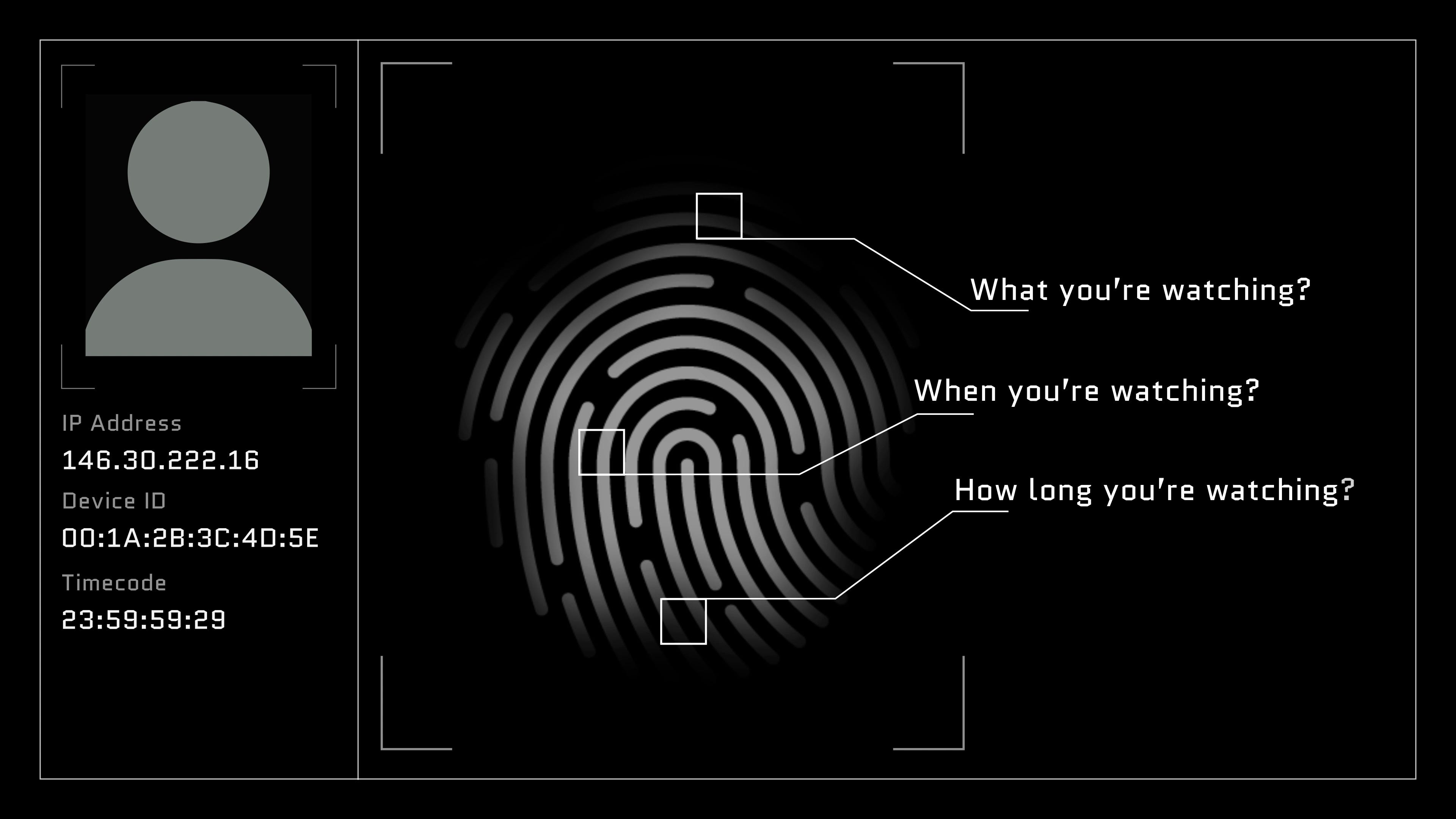
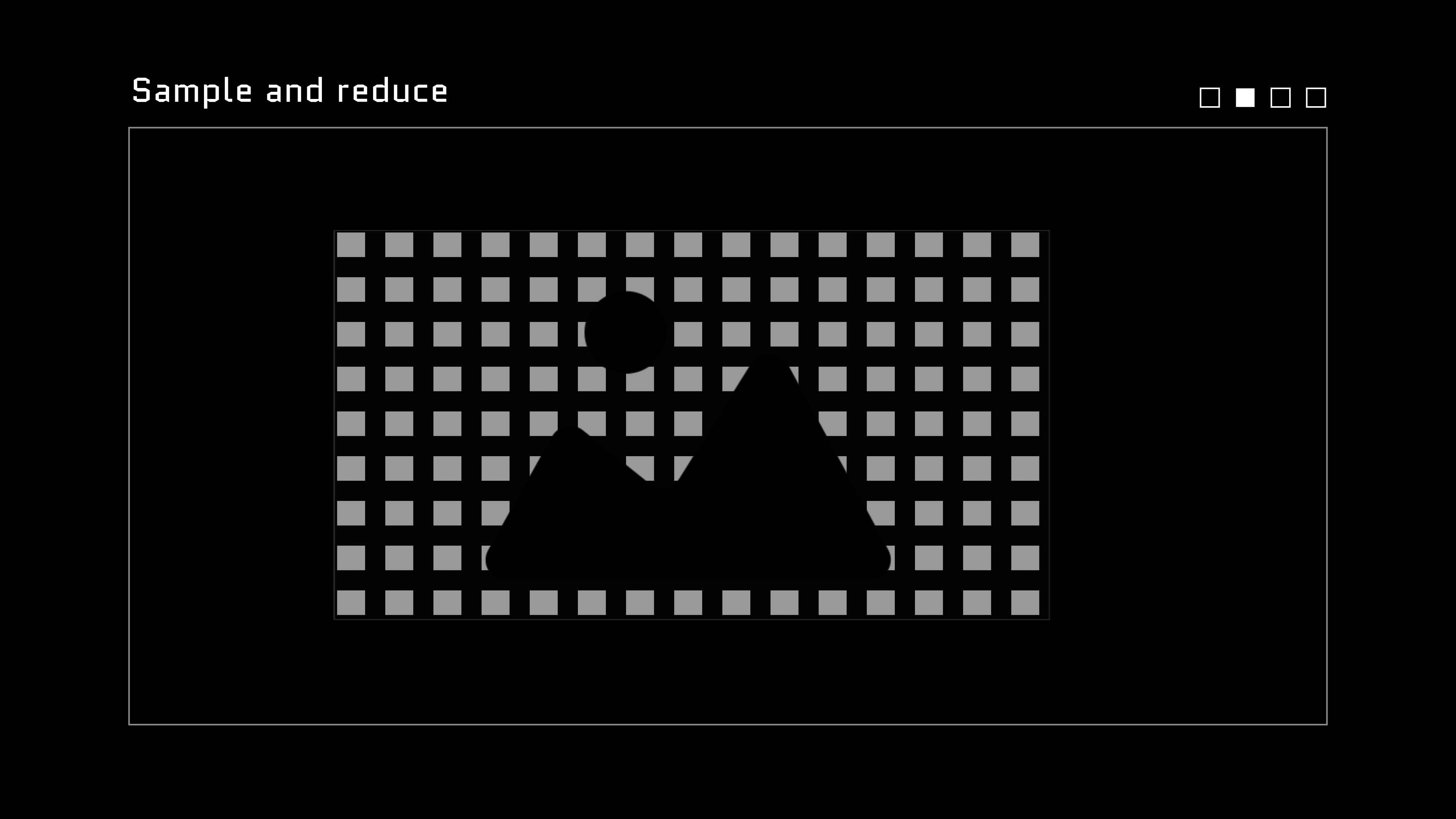
The technology is called ACR -- Automatic Content Recognition. Think Shazam for your screen. The TV grabs a frame, builds a distilled digital fingerprint -- a pixel hash, an audio fingerprint, often both -- and matches it against a massive content database in the cloud.
Here’s the part most coverage glosses over: the TV is not uploading the screenshot itself. It is distilling that frame down to a tiny signature -- bytes, not megabytes -- and sending only the signature. The cloud does the matching. Your TV sends just enough of a fingerprint for the server to reverse-engineer what you were watching, when, and for how long, without ever shipping the image up. Compact on the wire. Devastatingly precise on the other end.
Every brand runs its own version, hidden under a friendly name:
Samsung -- Viewing Information Services
LG -- Live Plus
Vizio -- Inscape
Roku -- Smart TV Experience
Amazon -- Content Recognition
For most of these, ACR is on by default. You didn’t opt in. It was already running by the time you finished setup. Disabling it usually requires digging through 4-5 menus, and a lot of users have reported that ACR re-enables itself after firmware updates -- Samsung and Vizio are the most cited offenders. (Malwarebytes maintains a per-brand opt-out walkthrough for anyone who wants to actually go do this after reading.)
The cleanest primary source on what these TVs actually emit is a peer-reviewed study from the 2024 ACM Internet Measurement Conference: Watching TV with the Second-Party, by researchers at UC Davis, UCL, and Universidad Carlos III de Madrid. They put real Samsung and LG TVs on instrumented networks, captured every outbound packet, and reverse-engineered the fingerprinting cadence. UCL’s own write-up and UC Davis’s coverage are the cleanest summaries.
The kicker from the paper: the same fingerprinting still runs when the TV is being used as a dumb HDMI display. The TV doesn’t care that you bought a soundbar to play music or hooked up a console to game. The fingerprinter doesn’t sleep. But here’s the inverse twist -- ACR mostly doesn’t fire inside Netflix or YouTube. The streamers own that content; the TV makers can’t snapshot it without legal exposure.
Your TV Isn’t a TV. It’s an Ad Platform with a Screen.
So why does this exist? Because the device in your living room isn’t really a TV anymore. It’s an ad platform that happens to have a panel attached to it.
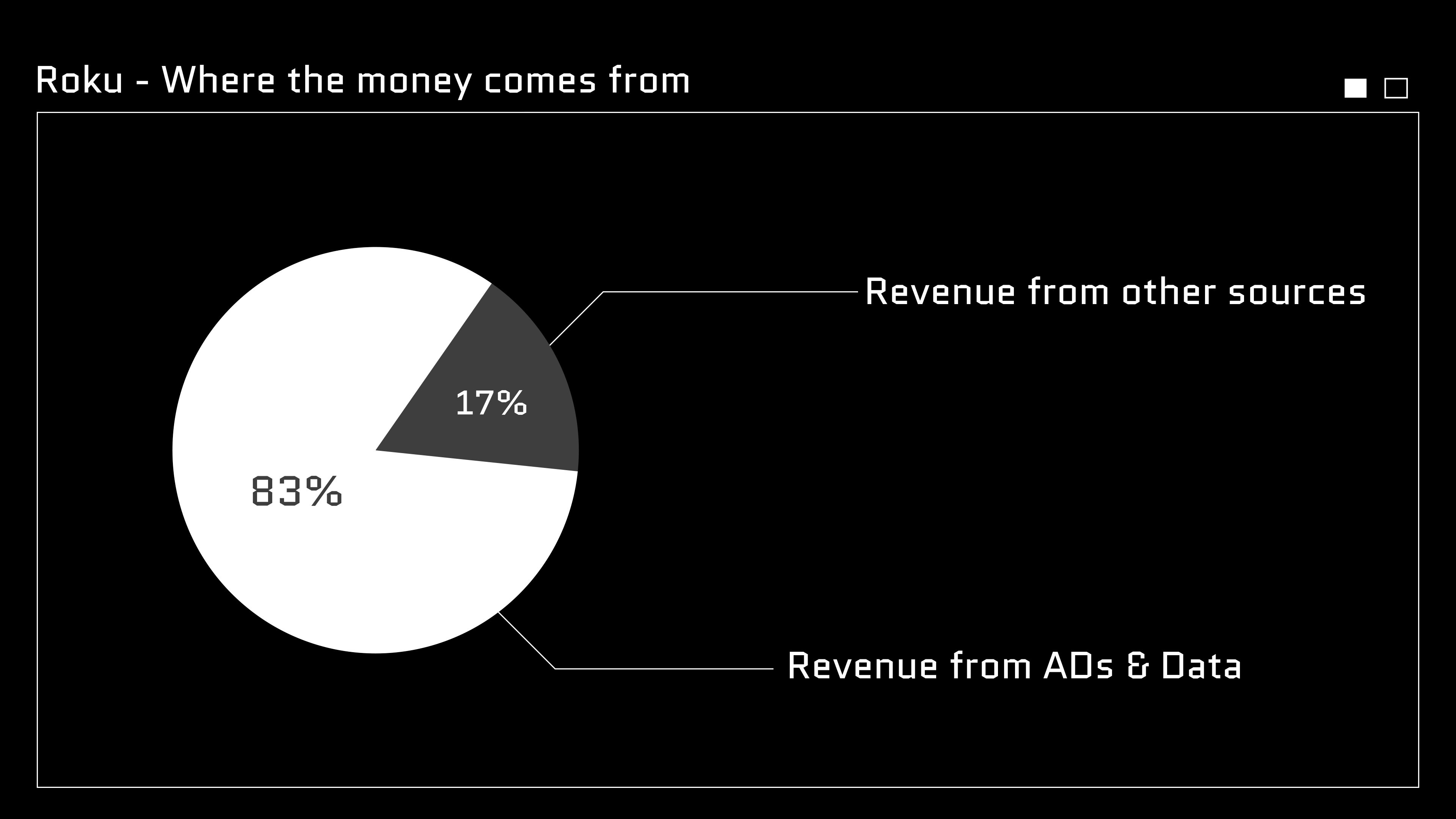
Roku loses money on every device they sell. Negative 14% gross margin on hardware. But their ad platform, powered by your viewing data, makes up roughly 83% of total revenue. They earn about $41.49 per user per year from targeted ads informed by what ACR tells them you’re watching. The hardware is the trojan horse. The ad business is the actual business.
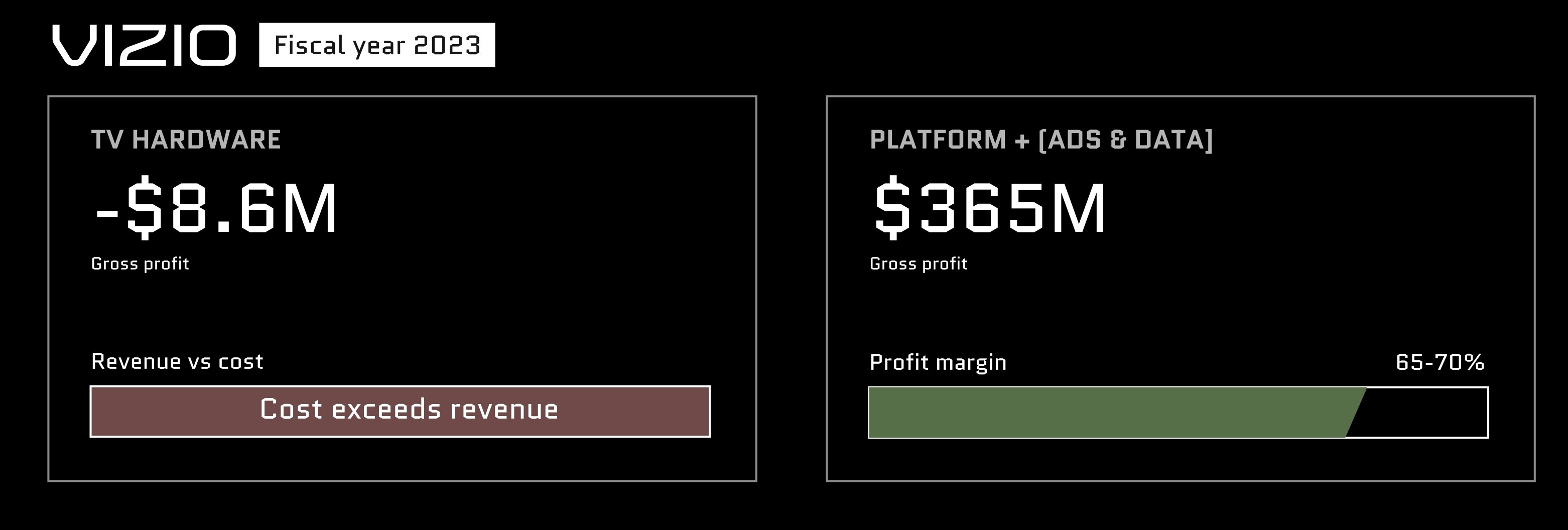
Vizio is even more extreme. By 2023, their TV hardware segment lost millions on the panel while Platform+ -- the ad and data unit -- pulled roughly $365 million in gross profit at 65-70% margins for the full year, with Q4 alone hitting a record $105M. Read that again. The hardware loses money. The surveillance subsidizes the panel. Walmart noticed: they acquired Vizio in December 2024, presumably for the data layer, not the screens.
This is what feeds CTV -- Connected TV -- advertising. Ads delivered through internet-connected TVs and streaming devices instead of traditional cable. The US CTV market hit $33.35 billion in 2025. It’s projected to reach roughly $38 billion this year. By 2028, it’s expected to surpass traditional TV advertising entirely at nearly $46.9 billion.
The TV is the loss leader. Your data is the inventory.
Where the Data Goes
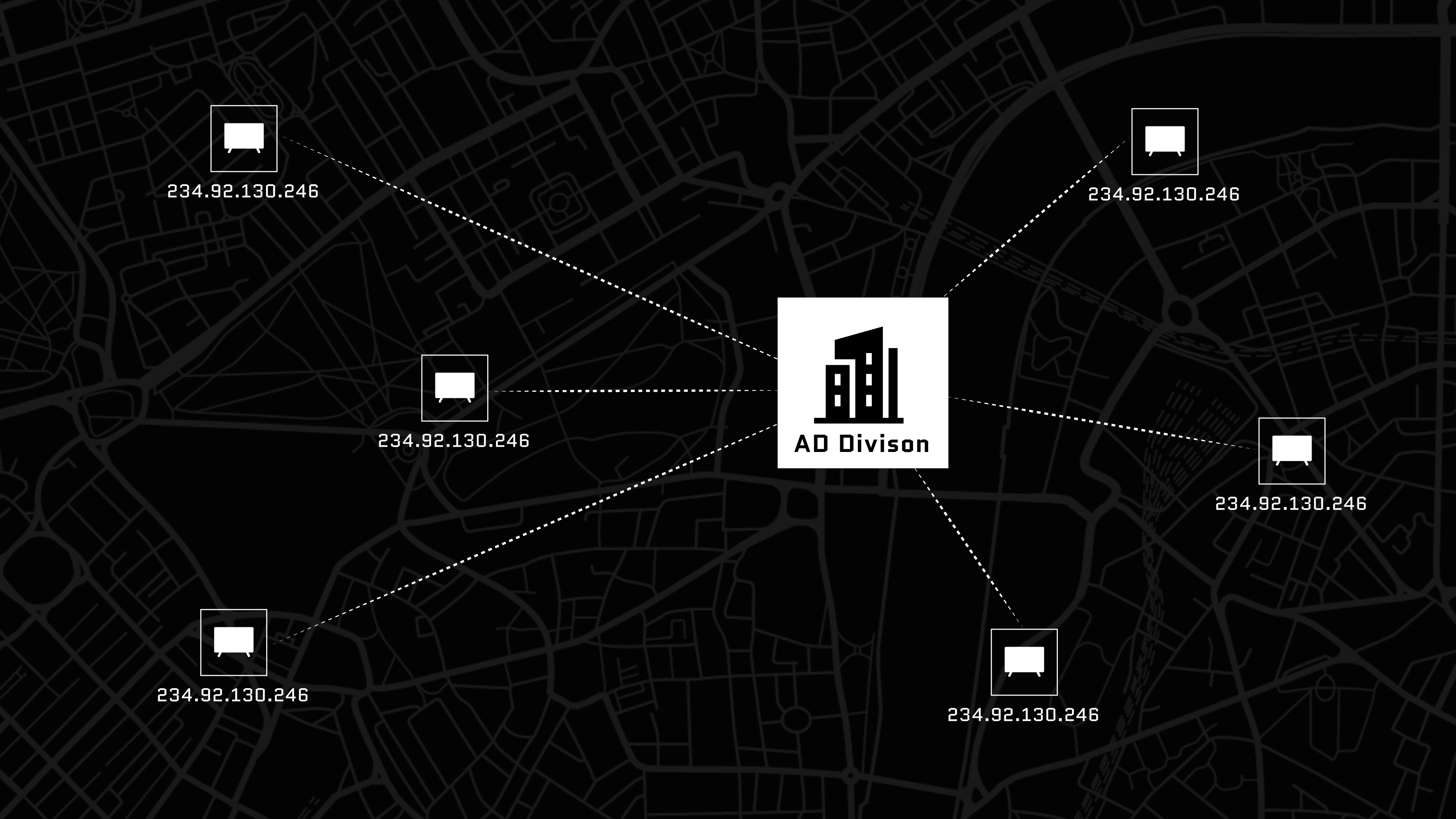
The fingerprint leaves your TV and lands in one of two places. Either the manufacturer’s own ad division -- Samsung Ads, LG Ads -- or a third-party ACR specialist. The biggest of those is Samba TV, embedded in 24 TV brands globally and sitting on roughly 48 million addressable smart TVs.
From there, the data gets matched to your identity. Samsung Ads has a direct partnership with Experian where viewing data gets joined to your purchase history and credit profile. And because every device on your home Wi-Fi shares the same public IP through your router, brokers can stitch your TV’s viewing habits to your phone’s browsing, your laptop’s search history, and your tablet’s app usage. One household. One identity graph. Every screen.
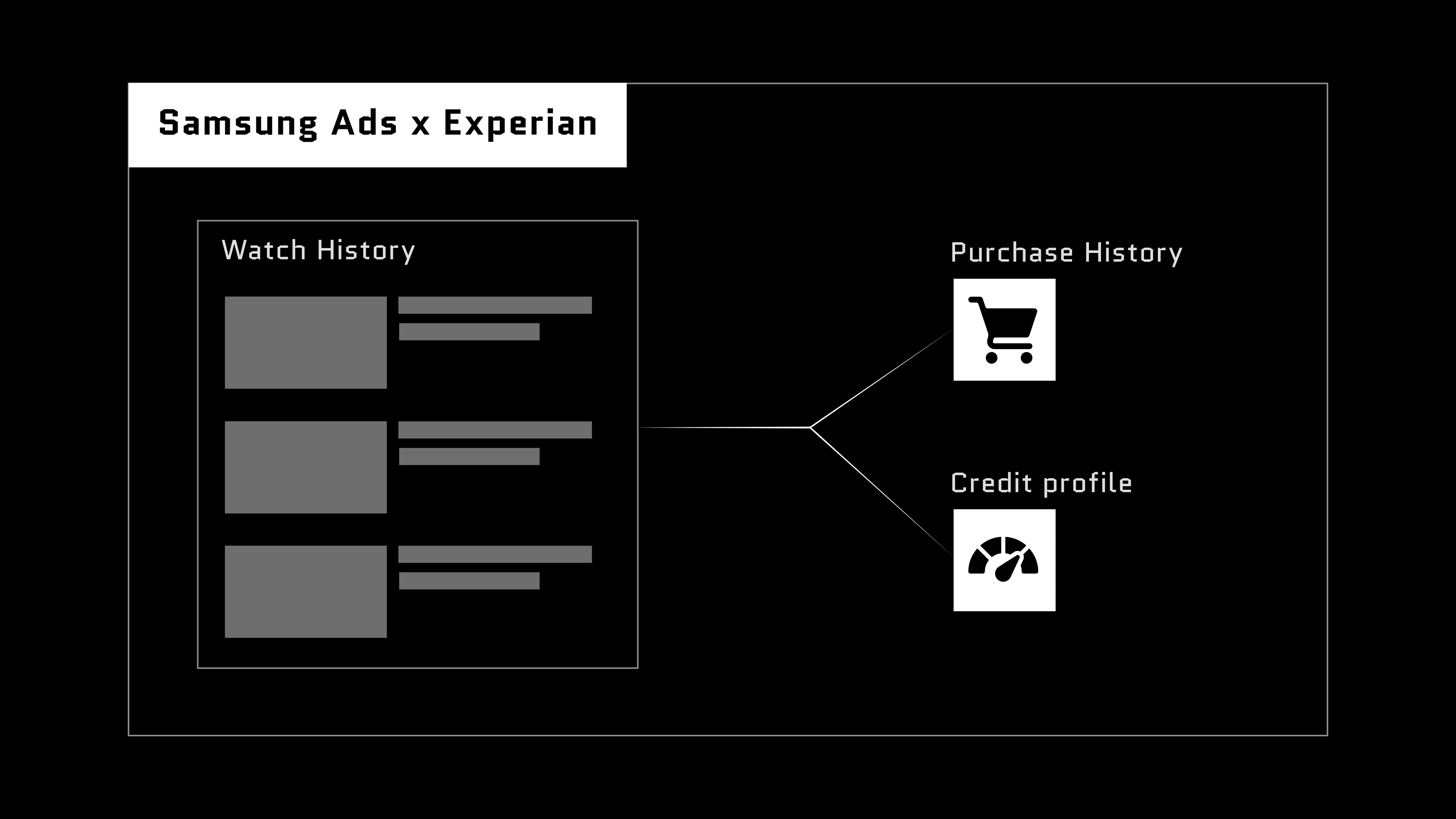
The global data broker market is worth around $290 billion (Maximize Market Research’s 2025 estimate -- the headline number gets thrown around constantly, but it’s a paid industry projection, not an FTC figure). Either way, your TV is one of the highest-fidelity inputs into it, because of all the screens in your life, this is the one you actually sit and stare at.
The “consent” for all of this is a piece of theater. For many TVs, ACR is enabled by default during setup with a pre-checked box buried in the terms. The Texas AG’s complaint flagged that opting in takes one click during setup, while opting out takes 15+ clicks across multiple menus. And after the FTC fined Vizio $2.2 million in 2017 and forced ACR to be opt-in only, the company quickly built that opt-in right back into the setup flow. Most users still clicked yes. We don’t actually care, or we don’t care enough to find the menu. (gBlock has the most thorough ACR mechanics deep-dive I’ve found if you want to see exactly what’s hitting the wire.)
Your TV Is One Node in a Much Bigger Graph
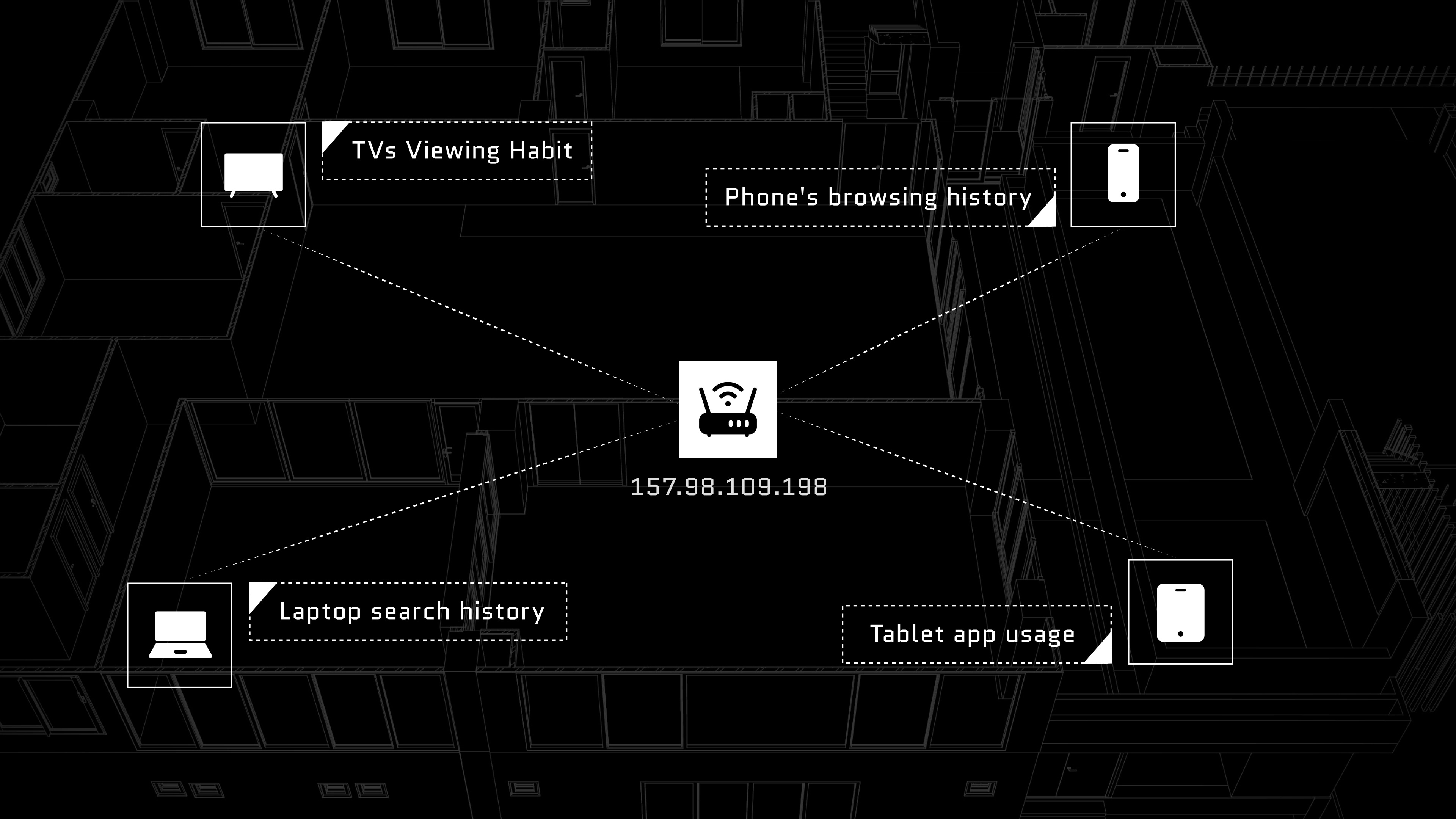
Your TV is one input into a $290 billion data broker marketplace, and it has plenty of company.
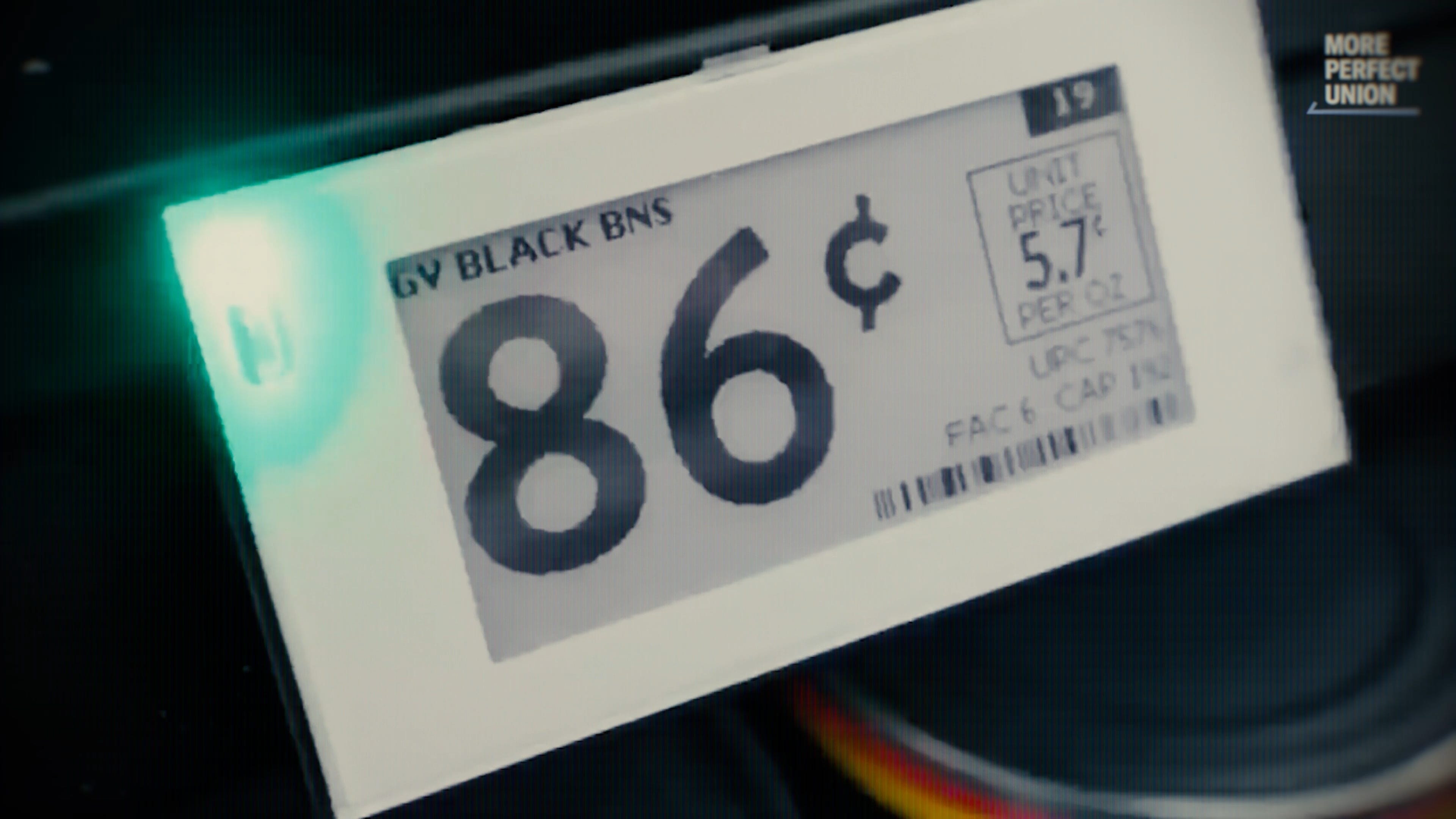
Smart speakers accidentally activate up to 19 times a day, recording up to 43 seconds at a time on the worst offenders (Northeastern’s Mon(IoT)r Lab study). GM and OnStar agreed in January under an FTC consent order to stop selling geolocation and driver-behavior data to consumer reporting agencies for the next five years -- the parallel class action covers roughly 16 million drivers. Flock Safety operates 80,000+ AI cameras across 49 states and logs more than 20 billion vehicle scans a month for law enforcement. Grocery stores are using ceiling cameras to build heat maps of where you walk and what you look at. Instacart got caught running surveillance pricing experiments where the same order cost different families up to $1,200 a year more, depending on what their data said they’d tolerate.
All of this feeds the same identity graphs, the same ad networks, the same pricing algorithms. The fingerprint your TV emitted while you watched Severance last night sits in the same pile as the location data your phone leaked when you walked into Whole Foods. There’s a much deeper story here about how all these data streams converge -- I’ll go into it in detail in a future video. The point right now is that your TV isn’t operating in isolation. It’s part of a system. And the system is unified by the IP address of the router on your wall.
Where This Goes Next
Samsung Ads has already announced AI that analyzes not just what you’re watching, but the emotional context of the scene. Sad scene, comfort food ad. Exciting scene, energy drink ad. The ad doesn’t just know what show you’re on. It knows the mood of the moment you’re in. If you’ve ever doomscrolled TikTok, you’ve already lived a low-resolution version of this -- the ads start matching the emotional tempo of the videos around them. ACR brings that loop to the largest screen in your house.
It gets more uncomfortable from there. Samsung filed a USPTO patent for emotion recognition from facial action units -- detecting your facial expressions through a camera in the TV to determine how you’re reacting to what’s on screen. Verizon filed a patent for an “ambient action” detection system that uses cameras and microphones to pick up viewers’ skin color, facial features, voice tone, and even relationship state (”if a couple is arguing... select an advertisement associated with marriage/relationship counseling” -- direct quote from the application). Google has filed for a Google TV system that observes viewers through a camera while they watch.
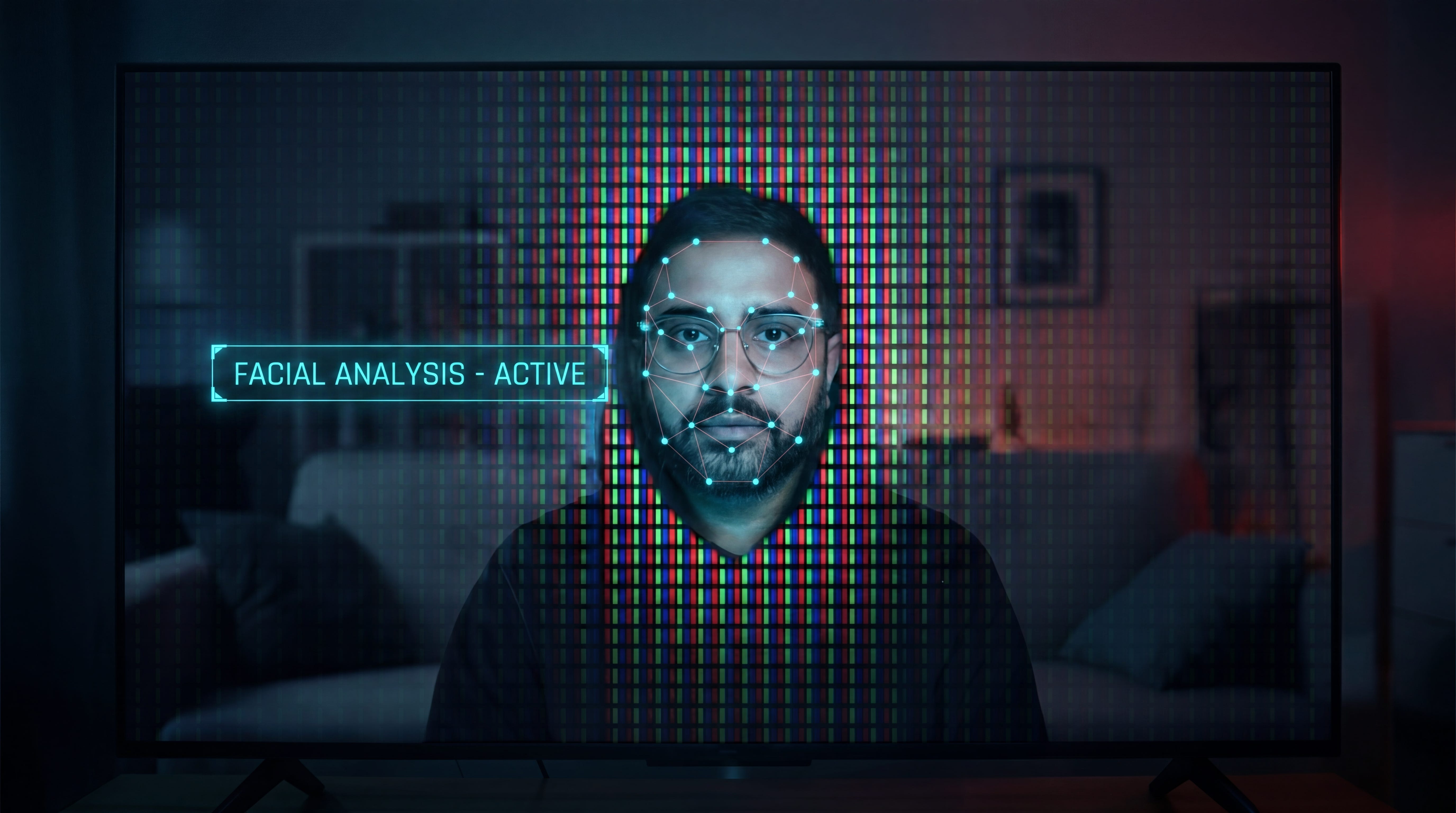
Three different companies, three different patents, one shared idea: a TV that doesn’t just show you content, but watches you consume it. Some current models already have cameras built in for video calling. Most have microphones for voice assistants. The hardware is already in the room.
And it gets weirder when you zoom out to VR. Apple’s headset patents in this space are nuts. Eye-tracking can measure subtle differences in pupil dilation and the expansion and contraction of the capillaries around your eyes -- enough signal to classify your mood, your arousal level, what you’re focused on, and whether you’d flinch or lean in. A Clockwork Orange used to be the worst-case metaphor for forced ad attention. We’re closing in on the casual-Tuesday version of it -- a feedback loop where the device shows you a stimulus, reads your reaction, and tunes the next stimulus accordingly.
The patents are filed. The ad infrastructure exists. The business model is proven and profitable. The gap between “fingerprinting your screen” and “reading your face while you watch your screen” is a software update.
And the regulatory response? Vizio paid $2.2 million for spying on 11 million people. Their ad-and-data segment now does roughly $365 million a year in gross profit. Samsung’s Texas settlement carried no monetary penalty at all. The math doesn’t deter -- it incentivizes.
Maybe What We Want Most Are Dumb TVs
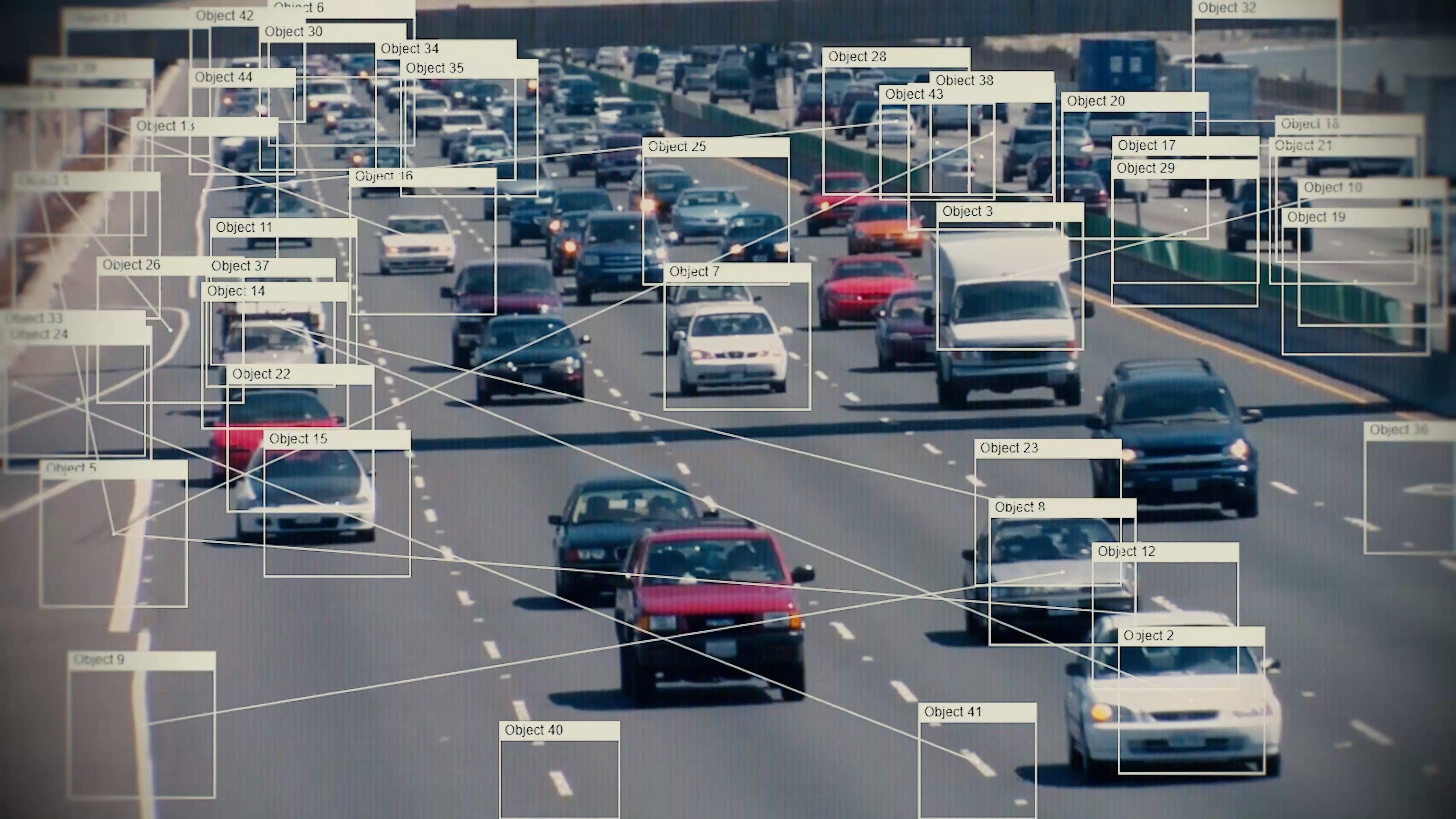
Every device you own is harvesting some kind of information about you. Your phone, your car, your speaker, your doorbell, the shelf at your grocery store. What’s striking about the TV is how visual and constant it is. A screenshot every half second, mashed against a database, fed into an ad network, joined to your credit profile, all while you’re sitting on your couch scarfing down some Cheetos.
Coming from a mapping background, what’s interesting to me is how all of these things are basically trying to map out human activity. ACR is doing for your living room what your Tesla does when you drive it -- not uploading every frame from every camera, just the smallest possible signature the cloud needs to keep its map of you up to date. It’s just that in this case, the “map” is your viewing behavior, joined against every other map of you that already exists.
I make videos like this because I prefer awareness to ignorance. I scroll Instagram all the time. I click on the ads. They’re often shockingly good. But you should be aware of what every other device in your life and in the public sphere is doing too, because then you can actually make a decision. Maybe the trade-off is fair to you. Maybe you’re fine with your TV activity getting mined so you pay a different price on cucumbers when you go to the grocery store. Maybe you’re not. Either way, the choice should be yours, not the default checkbox’s.
The thing to take away is just this: all of this is converging. The fingerprint, the camera, the eye-tracker, the broker, the pricing model. Once you can see the system, you can choose how much of yourself to feed into it.
If you want to actually do something about your own TV after reading this, the per-brand opt-out walkthrough is a fine 10-minute project. It won’t fix the system. But it will at least take your screen out of the dataset.
Maybe one potential outcome of all of this is, as we realize how smart our TVs actually are, the thing we’ll want most are dumb TVs.
If this gave you something to think about, share it with someone who should see it.
-Bilawal
We are being watched everywhere now and if they really want access to your data etc... https://www.fcc.gov/calea
I used to work for this outfit https://www.vice.com/en/article/the-rcmp-surveilled-thousands-of-innocent-canadians-for-a-decade/ lets just say the guy operating that device, honesty is not his best policy as they promote them after they mess up go figure. Meanwhile the rest of us trying to live an honest living with integrity that question it all are thrown out of the canoe paddle to the head.
Integrity what! https://www.harvardmagazine.com/2011/12/the-biology-of-right-and-wrong guess they were born in a barn?
Those that used a cell phone like this case https://www.vice.com/en/article/how-the-fbi-hacked-el-chapos-encrypted-phone-network/ . https://qz.com/594817/blackberrys-end-to-end-security-didnt-do-el-chapo-any-favors are just stupid. That was the end of blackberry but it was king for its time https://www.zdnet.com/article/blackberry-a-postmortem-of-the-former-smartphone-king/ . https://www.vice.com/en/article/rcmp-blackberry-project-clemenza-global-encryption-key-canada/ I was there during those days as they laughed - "we have the encryption keys" leaked...
(other https://www.occrp.org/en/project/the-crime-messenger/how-a-canadian-companys-encrypted-phones-ended-up-in-the-hands-of-criminals-around-the-world )
And, its only going to get worse as the current admin dumps trillions into the economy for world domination https://www.visualcapitalist.com/largest-defense-budgets-in-the-world/ . https://dsm.forecastinternational.com/2026/04/28/inside-the-pentagons-historic-1-5-trillion-fy27-budget-request/
https://www.whitehouse.gov/articles/2025/09/president-trump-tech-leaders-unite-american-ai-dominance/ . https://www.intereconomics.eu/contents/year/2025/number/2/article/big-tech-and-the-us-digital-military-industrial-complex.html
I suspect Google has most of the world mapped out by now etc... and, I suspect most of this is true from this guy that has seen under the hood https://www.wired.com/2014/08/edward-snowden/
Then comes china etc... funny though, I worked with a guy that installed many cameras and tweaked video analytics in china it was an american firm at first I'm sure its all made in china now technology. Its amazing what technology they have now, I heard years ahead of us.
With a dictator at the helm what to expect as fear is in the air for more power/control https://www.jurist.org/commentary/2019/01/fear-a-dictators-tool/ (much like many other countries https://bigthink.com/neuropsych/dictator-psychology/ those are your serial killers and mass murders etc.. https://psychcentral.com/blog/the-ties-between-crime-and-malignant-narcissism#1 )
I was in a BRICS country, a very socialistic country https://thenationaldesk.com/news/americas-news-now/president-donald-trump-to-host-brazils-lula-for-talks-on-brazilian-goods-tariffs-organized-crime-oval-office-meeting-rare-earth-deposits-minerals that just came out of civil war not so long ago https://www.cafehistoria.com.br/military-dictatorship-in-brazil-a-history/ Incredible what a civil war will do to a country as they don't trust the government, police nor military. In fact they trust the organized crime gangs more than they do the government. A bad state to be in... how to regain trust and integrity. Once that is lost it hard to get it back.
Not too many cameras but lots of humans in key areas. It definitely prints a lot of money https://www.bcb.gov.br/en/financialstability/drex_en and you will need a CPF number to buy large ticket items or to import stuff (but there are work arounds) https://brasiltax.com/blog/en-cpf-number-brazil/ Most monetary transactions monitored. Many still live in fear as most houses have barb wired fences and apartments have it as well plus security to the max. Fear does that I guess, puts people on the edge and walls go up. Nice enough people though everyone says 'hi' but horrible drivers don't dare bike on the roads they will run you down, but luckily they have bike paths everywhere... nice. Lots of made in china products, but many locals hate china for many used to work in the clothing industry impossible to compete against china which has cheap labor and subsidizes big time. (much like the USA https://www.visualcapitalist.com/which-u-s-companies-receive-the-most-government-subsidies/ trillions dumped into the economy now esp in AI and MAG7 etc...) Which country doesn't print money, sell bonds and subsidize its large corporations. Should we trust them? what are they seeking?
I guess the question is - what is being done with all this data. I use cash and I don't have a cell phone so if you want to follow me go for it, it will cost you a fortune :)
Credit cards the norm now I suspect they know more about you than you do you. Credit so easy to get at now, any fool can spend merely give them a credit card instant addict formed https://www.neurotrackerx.com/post/shopping-makes-feel-high
I suspect white collar crime and espionage is huge now especially in america https://www.dni.gov/index.php/ncsc-what-we-do/ncsc-threat-assessments-mission/ncsc-economic-espionage
It sure would be nice to catch that, we had a spy in the office
http://www.harpercollins.ca/9781554684502/nest-of-spies page 131 To Tran was my boss when I worked big defense. Then he went to AT&T labs...
Sure would be nice if audits could be done automagically https://www.linkedin.com/pulse/using-ai-machine-learning-algorithms-continuous-rameez-ali/ that would be useful and usable AI. Worthwhile spinning up all those massive data centers https://www.techpolicy.press/the-public-is-getting-fed-up-with-data-centers-politicians-need-to-take-notice/ will we decentralize soon? https://www.linkedin.com/pulse/neural-mesh-networks-unleashing-power-decentralized-ai-ripla-pgcert-parme/ so risky and vulnerable plus the load with large data centers better be some ROI/value to it all. Useful and usable AI.
And, AI monitoring economies too https://www.linkedin.com/pulse/path-fully-autonomous-economies-andre-drpde/ oh how politicians would hate that, catching rogue players...
Anyhow, what is all this data used for is the question. I just wish they would go catch the real criminals out there like rogue politicians, white collar criminals (stockmarket/casino https://www.youtube.com/watch?v=W-Q9AOp2FW8 housing/construction https://www.youtube.com/watch?v=T2IaJwkqgPk ) and espionage etc... all of which costs us tax payers billions per year. Especially now that lies, deceit and deception becomes the norm. Will anyone go to jail/prison this time around (ponzi and pyramid schemes)? probably not.
I used to work for https://www.investopedia.com/terms/w/worldcom.asp during https://www.pbs.org/wgbh/pages/frontline/shows/dotcon/ . https://www.pbs.org/wgbh/pages/frontline/shows/wallstreet/ I surely wish someone was spying on them then a big red sign would pop up - get out now! would we even listen though? https://www.theguardian.com/news/2018/aug/03/denialism-what-drives-people-to-reject-the-truth as money blinds we fools.
I surely hope AI becomes useful one day and all this data captured is used in a useful way as well. Catch the big criminals there are enough of them out there. Stop sending us shtty advertising stuff. I delete most of it anyway. They are wasting their time, as I don't shop till I drop. Buy by logic not emotion.
My brother, This content is great. Please keep it up. You are hitting on so much of what we used to talk about back in the day at Google. Would love to catch up some time.